
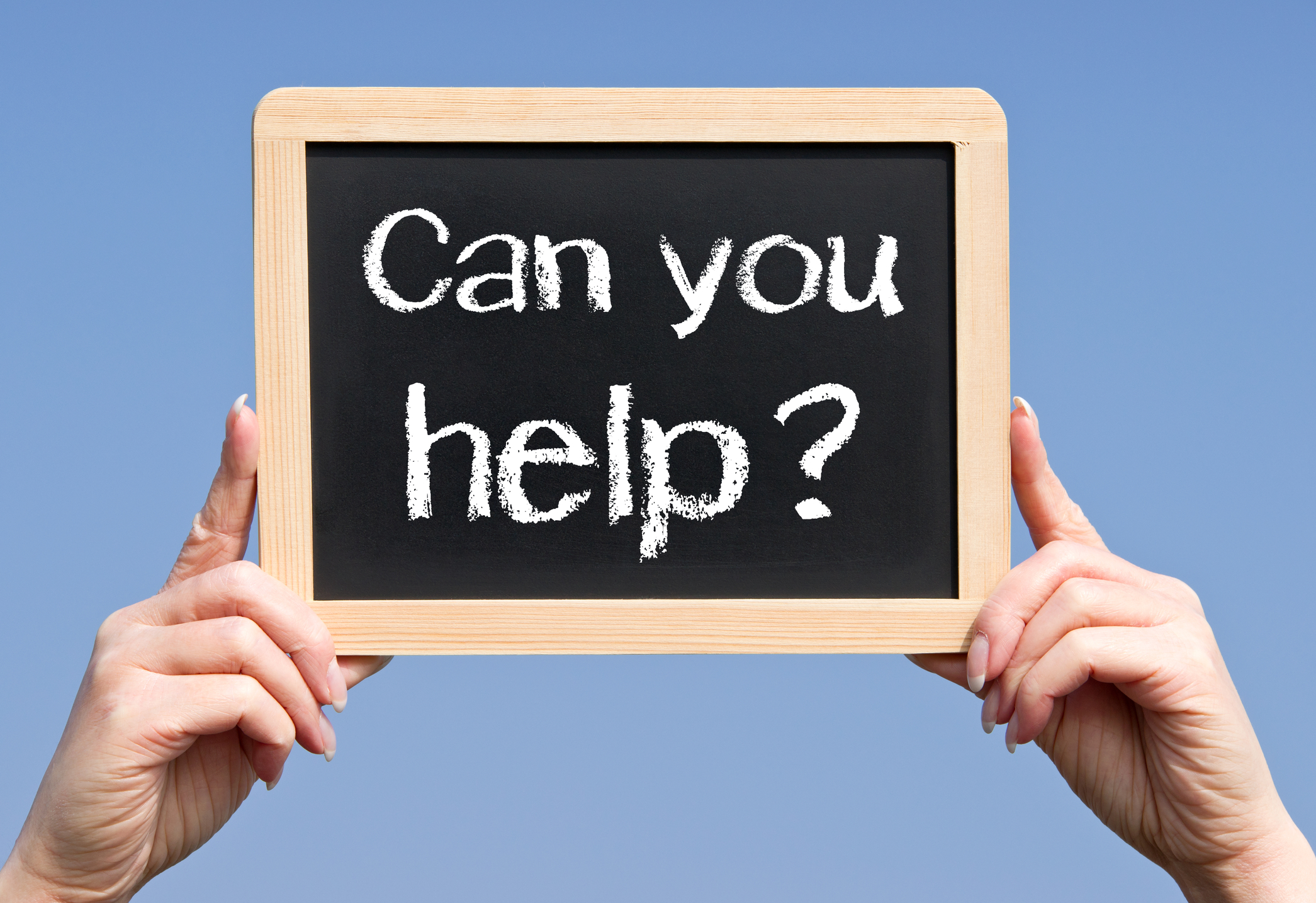
Asking for Help After Surgery can feel uncomfortable, especially for those who pride themselves on independence. It often means admitting there are tasks you cannot do alone and need support from others. While this may seem simple, many people experience anxiety or feelings of inadequacy when reaching out. Over time, I’ve learned that asking for help after surgery is not a weakness but a vital step toward healing and resilience.
One moment that taught me this lesson happened while I was trying to do laundry. As I reached for soap, I accidentally knocked powder stain remover onto the floor. Standing on one leg just to add detergent left me exhausted. There was powder everywhere and I just did not have the energy to clean it up. I felt defeated by my inability to complete a basic task without creating a mess. Fortunately, a friend that came by for a visit, stepped in immediately to clean up the mess. That small act opened the door to a broader conversation about how she could support me during her visit. It was a relief to have her with me to help.
How to Ask for Help After Surgery
Before asking for help after surgery, it’s important to identify what you truly need. Sometimes it’s practical assistance—like preparing meals or helping with showering. Other times, it may be emotional support, such as someone being present to ease boredom or adding decorations to a hospital room to make it feel more like home. Helpers should be people who can safely assist, and it’s wise to discuss restrictions with your healthcare team before discharge.
Allow helpers to ask clarifying questions. You may not always know what you need, so encourage them to check in regularly by text, phone, or in person. Pain and discomfort are part of recovery, but allowing a hug or kind word can go a long way.
Lessons Learned
What I’ve learned about asking for help after surgery is that communication is essential. Sometimes the outcome may not match your expectations, and that can be discouraging. Yet, the act of reaching out creates opportunities for connection, support, and healing. Ultimately, asking for help is not about weakness—it’s about building a positive path toward recovery.