
Why I Started Using Them
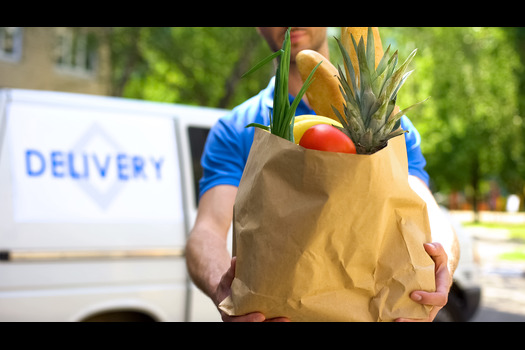
Post‑pandemic life made grocery delivery apps a simple way to manage everyday errands. I relied on them a lot during my recuperation. At first, I didn’t love the idea of someone else picking my produce. After a few orders, I realized the quality was consistently good. These apps quickly became part of my routine.
Getting Started with Grocery Delivery Apps
Apps like Amazon Fresh, Whole Foods, and Walmart make ordering straightforward. After you install one, you can choose pickup or home delivery. It helps to set this preference before you start adding items. For delivery, the app shows available dates, time windows, and fees. If you order often, a monthly subscription can save money. Without one, Walmart and Amazon usually charge around ten dollars per delivery. Amazon Fresh connects to an Amazon Prime membership. If you prefer organic groceries, the Whole Foods app is especially helpful. Both services offer a 30‑day trial and grocery discounts, which is why many people rely on grocery delivery apps for weekly shopping.
Managing Orders in Grocery Delivery Apps
Each order includes taxes, a delivery fee, and a suggested tip—usually around ten percent. You can adjust the tip at checkout. The apps alert you when items are out of stock and let you approve or decline substitutions. You also get a short window to add or remove items. This helps if you forgot something or changed your mind. The apps save your frequently purchased items, making reordering faster.
What I Don’t Love
The biggest downside is the constant promotional emails. Some people enjoy the deals, but I find the marketing overwhelming. Even with that annoyance, grocery delivery apps still make my life easier.
Why They’re Worth It
Convenience wins. These apps save time, reduce errands, and keep your pantry stocked. For me, grocery delivery apps turned into a reliable, stress‑reducing tool.