
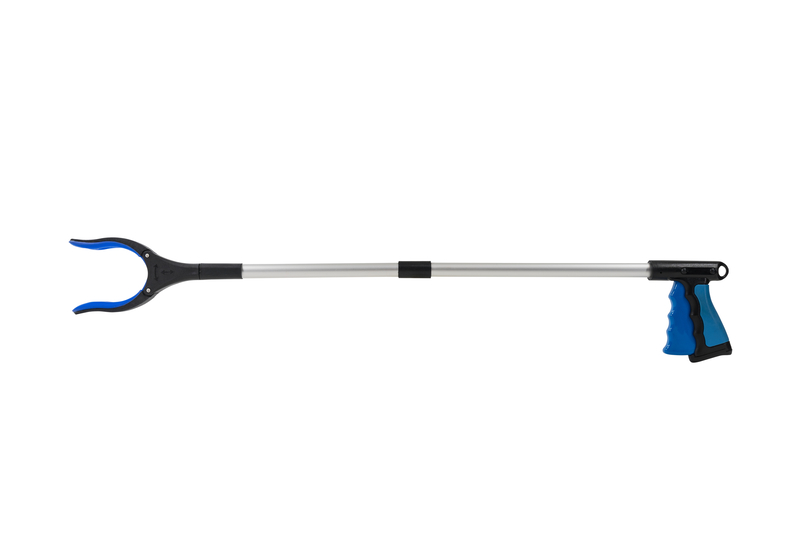
Grabber Reaching Tools: Essential for Recovery and Daily Living
Grabber reaching tools are among the most practical aids for anyone facing mobility challenges. Grabber reaching tools are helpful if you’re non‑weight‑bearing after surgery. They are useful if you are using a wheelchair or can’t bend at the waist. For those living with dexterity issues, they act as an extension of your arm. They make everyday tasks less frustrating and more empowering. These adaptive devices give independence, reduce strain, and help prevent accidents caused by bending or stretching beyond safe limits.
Why Grabber Reaching Tools Matter
When you can’t easily reach items on the floor, counter, or shelf, a reacher restores independence. These tools use jaws that grip fine objects like pens or paperclips. They also handle bulkier items like clothing or containers. Standard lengths range from 32 to 40 inches. Manufacturers often recommend the best size based on your height. They also consider your recovery needs.
Key Features to Look For
- Comfortable handles: Essential for achy or arthritic hands.
- Rotating jaws: A 360° rotating head lets grab items vertically or horizontally.
- Lightweight materials: Aluminum alloy frames reduce fatigue, while nonslip jaw coverings improve grip.
- Foldable portability: Models with locking joints and straps are easier to carry and store.
- Extra features: Magnets for small metal items, and even headlights for low‑light use.
Personal Experience
I’ve had excellent results with the Kekoy 36‑inch foldable grabber reaching tool. My model doesn’t include a light. However, it has all the other key features that make recovery safer. These features also make daily living easier.
Beyond Recovery
Grabber reaching tools aren’t just for medical recovery. They’re useful for picking up laundry. You can use them to retrieve items from tight spaces. They are also great for collecting litter or grabbing objects in hard-to-reach places around the home. They also make thoughtful gifts for anyone recovering from surgery or injury, offering both practicality and independence. Even after recovery, these tools stay valuable for household chores, outdoor cleanup, and maintaining comfort without unnecessary strain.