
Why Protein Intake for Recovery Matters
Protein intake for recovery is essential for healing tissues and muscles that support bones. For patients in a cast or non‑weight bearing, muscle atrophy can be a concern. While research is limited, a high‑protein diet can help reduce muscle loss in certain orthopedic injuries (Andrew George, 2023). Always consult your healthcare team before making dietary changes, especially if you have underlying conditions.
Challenges of a High‑Protein Diet
Protein digests slowly, keeping you fuller longer. While this is beneficial, it can make consuming large amounts throughout the day difficult. Experimenting with different protein sources and meal timing can help keep intake without discomfort.
Protein Sources for Recovery
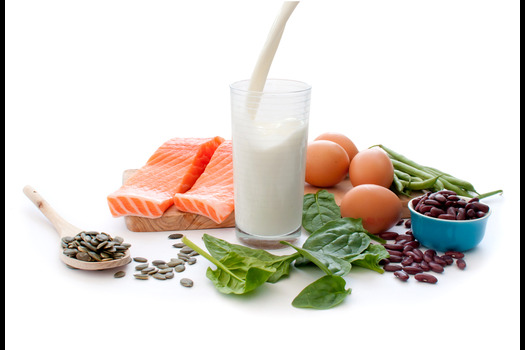
- Lean meats: poultry (chicken, turkey) and fish(salmon, tuna)
- Eggs and dairy: yogurt, milk, cheese
- Plant‑based options: quinoa, legumes (lentils, peas, and beans), and nuts (walnuts, pumpkin seeds)
According to WebMD, women need at least 50 grams of protein daily. Men need 60 grams. Higher amounts are recommended for high‑protein diets (WebMD, 2024).
Supplements and Alternatives
On days when protein intake for recovery feels challenging:
- Protein shakes: convenient but watch for added sugars and fillers
- DIY smoothies: blend fruit and vegetables with pea isolate or whey protein (15g–17g per scoop), my personal favorite.
- Add yogurt: boosts protein content while improving texture and flavor